Why a Professional Garage Pad Pouring Service Matters for Your Norfolk County Home
Pouring a concrete slab for a garage might look like a straightforward job. You mix some Portland cement with gravel and water, screed it flat, and wait for it to harden. But anyone who has tried to pour a level, crack-free garage pad knows that the process is full of small decisions that add up to a big difference. After years of working with concrete in Norfolk County, I have seen the same mistakes repeated: poor excavation, weak gravel base, and skipped expansion joints. A garage pad pouring service that knows what it is doing saves you from expensive repairs down the road.
What a Garage Pad Actually Demands
A garage pad is not a decorative patio or a thin sidewalk. It has to support the weight of vehicles, sometimes heavy trucks or farm equipment, and it must stay level through freeze-thaw cycles. Ontario winters put concrete through serious stress. Water seeps into tiny cracks, freezes, expands, and pushes the slab apart. The best way to fight that is with a well-prepared base, proper reinforcement, and controlled curing. A good concrete contractor treats every garage pad like a foundation, not just a slab of concrete.
When I talk to homeowners about their upcoming projects, I emphasize the subgrade. The gravel base needs to be compacted in layers. Skimping there leads to settlement and cracking. Rebar placement matters too. It has to sit in the middle of the slab, not on the ground, and it needs to be tied at intersections. A garage pad pouring service that follows these steps will deliver a pad that lasts decades.
Planning and Excavation
Before a single bag of Portland cement arrives, the site has to be ready. Excavation removes topsoil, organic material, and any soft ground. In Norfolk County, the soil can vary from sandy loam to heavy clay, and each type needs a different approach. Clay holds water, so a thicker gravel base and proper drainage become critical. Sandier ground drains well but may need more compaction. A thorough site evaluation is part of a reliable free quote. A contractor who skips this step is gambling with your money.
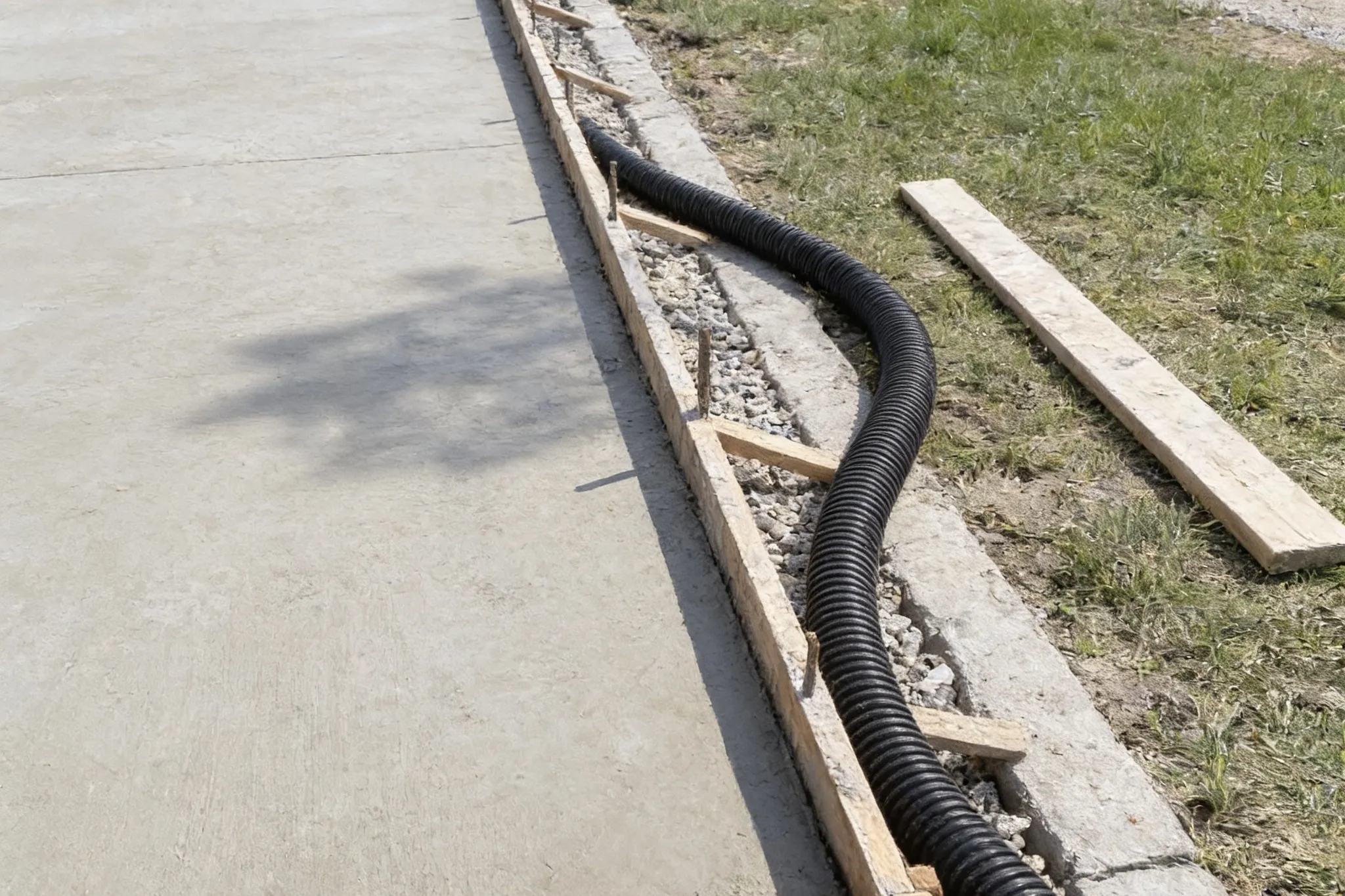
The depth of excavation depends on frost line and intended use. For a standard garage pad, we dig down at least eight to twelve inches below grade. Then we bring in gravel, usually 3/4-inch crushed stone, and compact it in lifts. A plate compactor or roller does the work. The gravel base should be sloped slightly away from the building to encourage water runoff. That simple detail prevents water from pooling under the slab and heaving it in winter.
Forming and Reinforcing
Forms set the shape and elevation of the pad. Wooden forms are common, but steel forms last longer and stay straighter. The forms must be staked firmly and checked with a level. Even a quarter-inch dip across a ten-foot span becomes noticeable when you roll a car over it. The driveway apron, the transition from the garage pad to the driveway, needs careful forming too. A smooth slope prevents tripping and makes snow clearing easier.
Rebar is the backbone of the slab. For a typical garage pad, we use 1/2-inch rebar on a 24-inch grid. The bars should be supported on chairs or small stones so they sit in the middle of the slab. If the rebar rests on the gravel, it does nothing to control cracking. A garage pad pouring service that uses rebar correctly will also tie the bars at every intersection. That keeps the grid intact during the pour. Some contractors use welded wire mesh instead, but rebar gives better control for larger slabs.
Mixing and Pouring
Concrete arrives by concrete mixer truck, already mixed to the specified strength. For a garage pad, a 4,000 PSI mix is standard. The crew places the concrete and spreads it with rakes and shovels. Then comes the power screed. A power screed vibrates the concrete and levels it in one pass. It is faster and more consistent than hand screeding. The operator works from one end to the other, keeping the screed board full of concrete. That step alone can make the difference between a flat floor and a wavy one.
After screeding, the finishers work the surface with a bull float and then a trowel. The timing of troweling matters. Start too early and the trowel drags. Start too late and the surface sets before you can smooth it. Experienced finishers know when to switch from a float to a steel trowel. They also know how to avoid overworking the surface, which can bring excess water and fines to the top, creating a weak, dusty layer.
Joints and Curing
Every concrete slab cracks. The goal is to control where the cracks happen. Expansion joints and control joints do that. Expansion joints go around the perimeter of the pad and at any point where the slab meets a wall or column. They are filled with a flexible material that allows movement. Control joints are cut into the slab, usually one quarter of the slab depth, to create a weak line where cracks will form straight instead of wandering. The spacing depends on slab thickness, but a rule of thumb is ten feet apart.
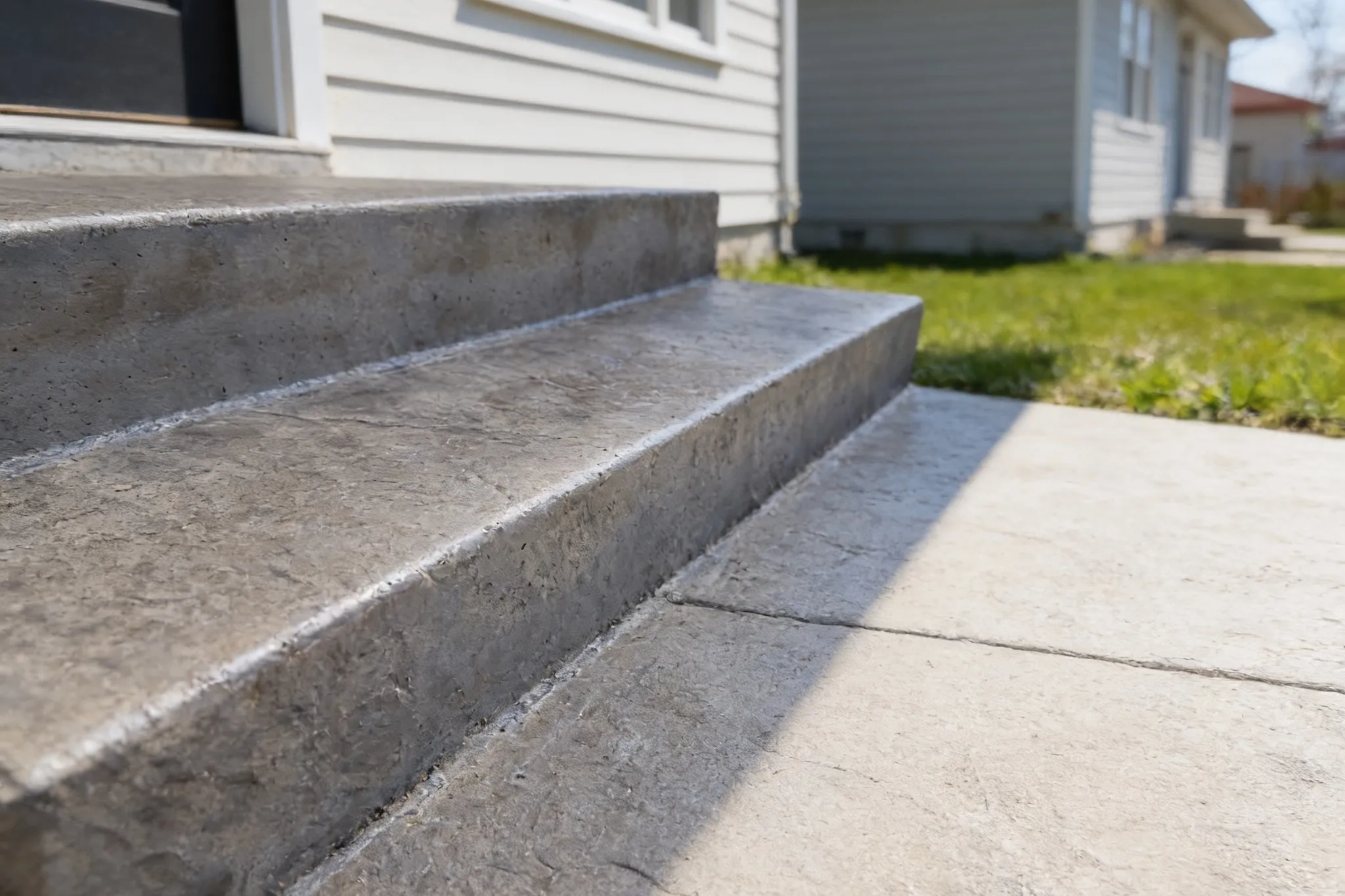
Curing is the step that gets neglected most often. Concrete gains strength through a chemical reaction that needs moisture. If the surface dries out too fast, the slab will develop hairline cracks and lose surface durability. A curing compound sprayed on the surface right after finishing seals in moisture. Some contractors cover the slab with wet burlap and plastic sheeting. Either method works as long as the slab stays damp for at least seven days. In hot weather or wind, curing becomes even more critical.
A concrete sealer applied after curing can extend the life of the pad. Sealers reduce water absorption and make the surface easier to clean. They also protect against deicing salts that can corrode the surface over time. In Norfolk County, where road salt is common in winter, a sealed garage pad will outlast an unsealed one by years.
Common Mistakes to Avoid
I have seen homeowners try to save money by doing the work themselves or hiring the lowest bidder. The results are almost always disappointing. Here are a few pitfalls that a professional garage pad pouring service avoids:
- Pouring on wet or frozen ground, which leads to uneven settling.
- Using too much water in the mix to make it easier to work, which weakens the concrete.
- Skipping the gravel base and pouring directly on soil.
- Cutting control joints too late, after the concrete has already cracked randomly.
- Failing to seal or cure the slab, leaving it vulnerable to frost and salt.
A union crew brings training and accountability to the job. They follow established procedures and safety standards. When you hire a contractor that sends a union crew, you get workers who have passed apprenticeship programs and keep their skills current. That matters on a pour where timing is everything.
Cost and Value
A garage pad pouring service is not the cheapest option, but it is the most cost-effective in the long run. A poorly poured slab will crack, settle, and need replacement within a few years. A properly done pad, with excavation, gravel base, rebar, and careful finishing, can last a lifetime. The cost difference between a quick pour and a quality pour is usually small compared to the cost of tearing out and repouring a failed slab.
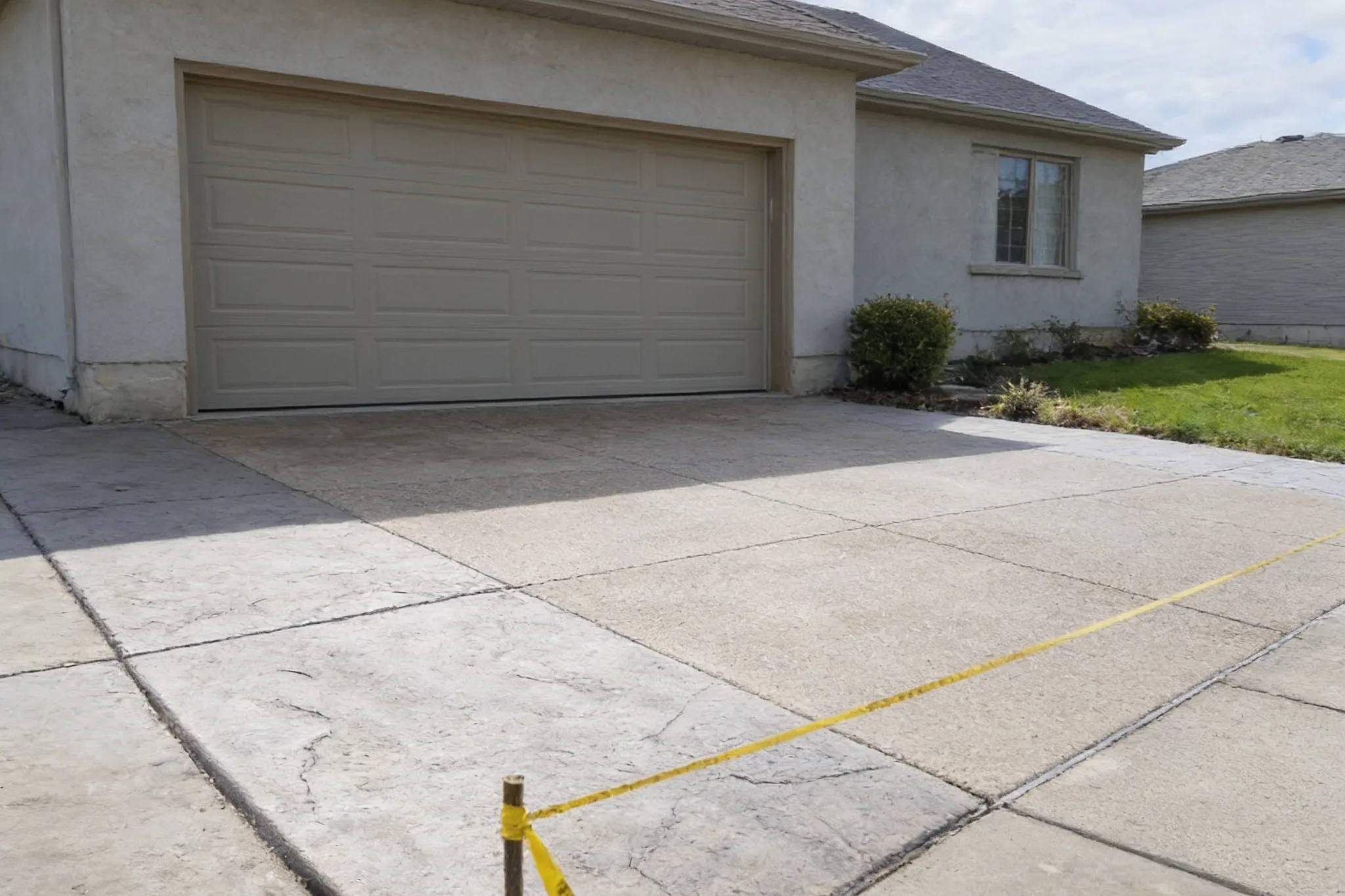
When you request a free quote from a reputable contractor, you should expect a detailed breakdown. They will measure the area, discuss the thickness, reinforcement, and finish options. They will also talk about the driveway apron and how the garage pad connects to your existing driveway, whether that is asphalt or concrete. A good contractor wants you to understand what you are paying for and why each step matters.
Final Thoughts
A garage pad is an investment in your property. It provides a clean, level surface for parking, storage, or workshop space. It also adds value to your home. In Norfolk County, where the real estate market values functional outbuildings and garages, a solid concrete pad is a selling point. Choosing the right contractor and trusting the process pays off every time you pull into the garage.
Whether you are building a new garage or replacing an old driveway apron, a professional touch makes all the difference. The concrete mixer, the power screed, the trowel work, and the curing compound are all tools and materials that demand skill to use well. A garage pad pouring service that treats every job like a craft will give you a result you can count on for years.